

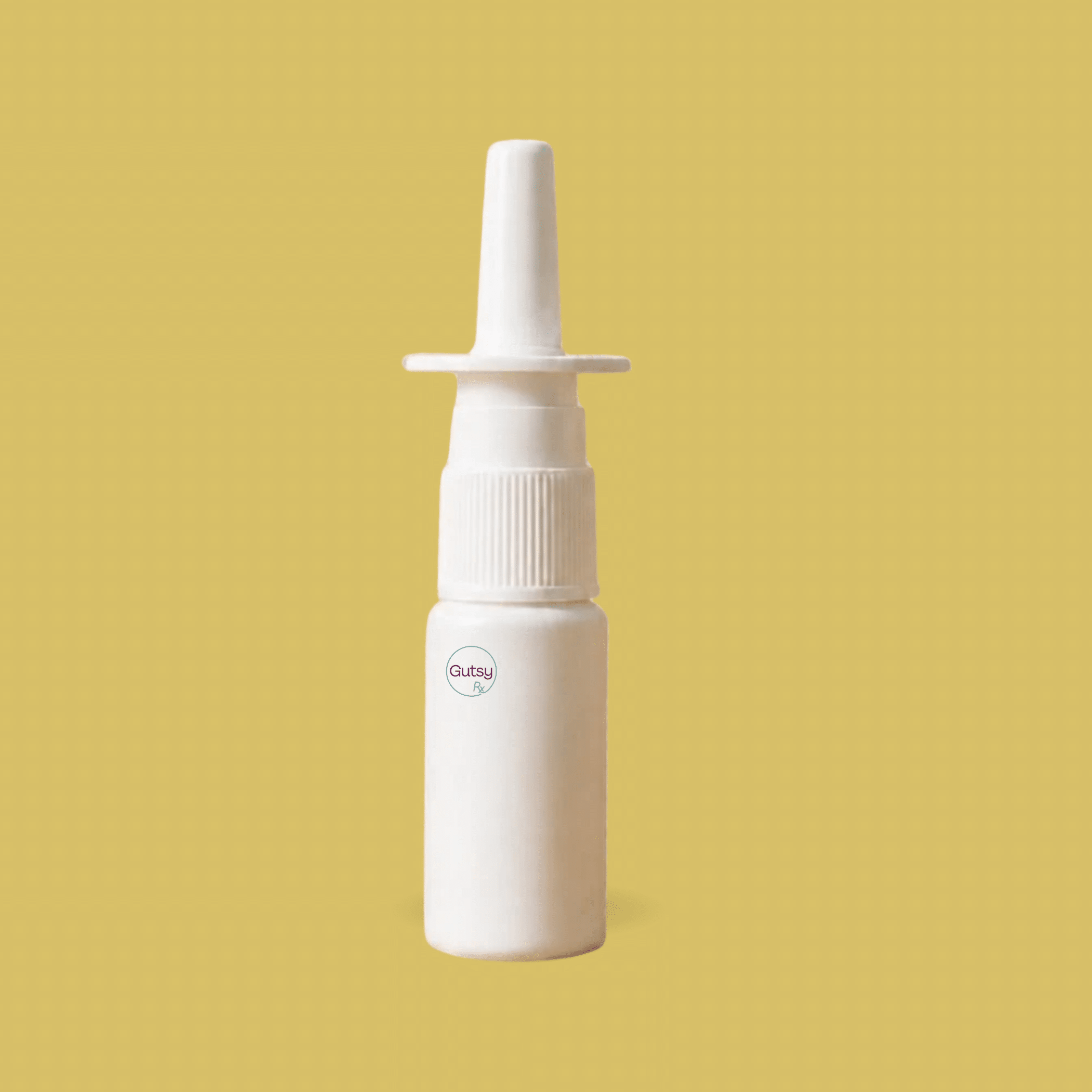

NAD + Nasal Spray
30 day supply | 14 ml
NAD+ (nicotinamide adenine dinucleotide) is a coenzyme in every cell of your body. It’s made from forms of vitamin B3, and your mitochondria rely on it to turn food into energy. Research has found changes in NAD+ metabolism in inflamed intestinal tissue, and NAD+ levels also decline naturally with age. That’s why women living with GI conditions, often alongside fatigue and brain fog, ask us about it. Because absorption can vary with a GI condition, this nasal spray is absorbed through the nasal lining instead of the gut, bypassing intestinal absorption and first-pass metabolism in the liver.
NAD+ Nasal Spray is a compounded prescription and a complementary option for women navigating gut health changes. It’s needle-free, takes seconds each day, and comes with gastroenterologist oversight.
$120
How to Use
1 spray (0.1 mL) in each nostril in the morning and then in the late afternoon
Formula
Nicotinamide Adenine Dinucleotide (NAD+) Nasal Solution
Side Effects
NAD+ is usually well tolerated. Nasal spray: Nasal burning or irritation, congestion, runny nose, sneezing, headache, and a bitter taste from post-nasal drip. Flushing or mild nausea is less common. These usually get better with continued use or by spreading doses across both nostrils.
Do Not Use If...
- Known hypersensitivity to NAD+ or anything in the formulation.
- Pregnancy and breastfeeding: There are no safety data, so avoid.
- Active cancer or recent cancer history: This is a theoretical concern. Many tumors overexpress NAMPT and depend on NAD+ to grow. Use caution, and coordinate with oncology before giving it.
- Chemotherapy, especially PARP inhibitors: NAD+ is the substrate for PARP, so it could in theory interfere with these drugs.
- Significant heart disease: For IV, chest tightness from the infusion can be hard to tell apart from angina, so use slow rates or avoid.
- Kidney disease: High-dose nicotinamide has caused thrombocytopenia in patients on dialysis, and its metabolites build up when kidney function is low.
- Liver disease: Be cautious with high-dose nicotinamide and niacin.
- Gout and diabetes: These are mainly concerns with niacin, which raises uric acid and blood sugar.
- Nasal issues (nasal spray only): Avoid with a septal perforation, recent sinus or nasal surgery, frequent nosebleeds, or significant intranasal inflammation.

Description
NAD+ (nicotinamide adenine dinucleotide) is a coenzyme in every cell of your body. It’s made from forms of vitamin B3, and your mitochondria rely on it to turn food into energy. Research has found changes in NAD+ metabolism in inflamed intestinal tissue, and NAD+ levels also decline naturally with age. That’s why women living with GI conditions, often alongside fatigue and brain fog, ask us about it. Because absorption can vary with a GI condition, this nasal spray is absorbed through the nasal lining instead of the gut, bypassing intestinal absorption and first-pass metabolism in the liver.
Related products
-

Feminine Balance
Feminine Balance is an exceptional herbal supplement featuring Chaste Berry. It is designed to support a healthy menstrual cycle and reduce abdominal bloating.
$79It’s a great addition to our Menstrual Gut and Rectal Symptoms bundle, which is known for reducing bloating and discomfort. This formula helps harmonize hormones and alleviate menstrual symptoms, promoting optimal progesterone, estrogen, and testosterone levels. The combination of licorice and peony supports healthy DHEA, prolactin, and prostaglandin levels, enhancing progesterone secretion and maintaining estrogen balance. Patients have reported improvements in irritability, mood changes, and bloating. This is a 60-day supply.
-

Soothe the Itch Rectal Ointment with Melatonin
Soothe the Itch - Rectal Ointment with Melatonin combines Clotrimazole and Betamethasone, which have proven to be effective, complemented by melatonin's anti-inflammatory and antioxidant power. Experience the convenience of having a 30-day supply delivered straight to your doorstep, all packaged in a sleek, easy-to-use and cute dispenser pen.
$100Rectal itching, often called pruritus ani, can interfere with comfort and restful sleep, but GutsyRx offers a thoughtful solution tailored to women’s needs. This gentle, non-irritating feminine formula targets sensitive peri-rectal areas to alleviate itching, soreness, and discomfort while promoting healing and overall well-being. Most causes of pruritus ani can be related to a combination of peri-anal skin microbial imbalance and inflammation; thus, this ointment is designed with your rectal health as the top priority. Experience the convenience of having a 30-day supply delivered straight to your doorstep, all packaged in a sleek, easy-to-use pen.
-

B12 & Folate
Yummy cherry-flavored sublingual B12 (methycobalamin) and folate (L-methyl folate) are designed to be absorbed directly under the tongue. This supplement is a go-to for anyone navigating restrictive diets, low stomach acid, gut inflammation, or MTHFR functional folate deficiency. Conveniently sent to your doorstep for a 60-day supply!
$46Vitamin B12 and folate are designed for sublingual absorption, eliminating concerns about gut absorption. These tablets are not only effective but also tasty, containing a small amount of pure sugar (not artificial) to promote gut health. Each bottle provides a 60-day supply of sublingual tablets!
-
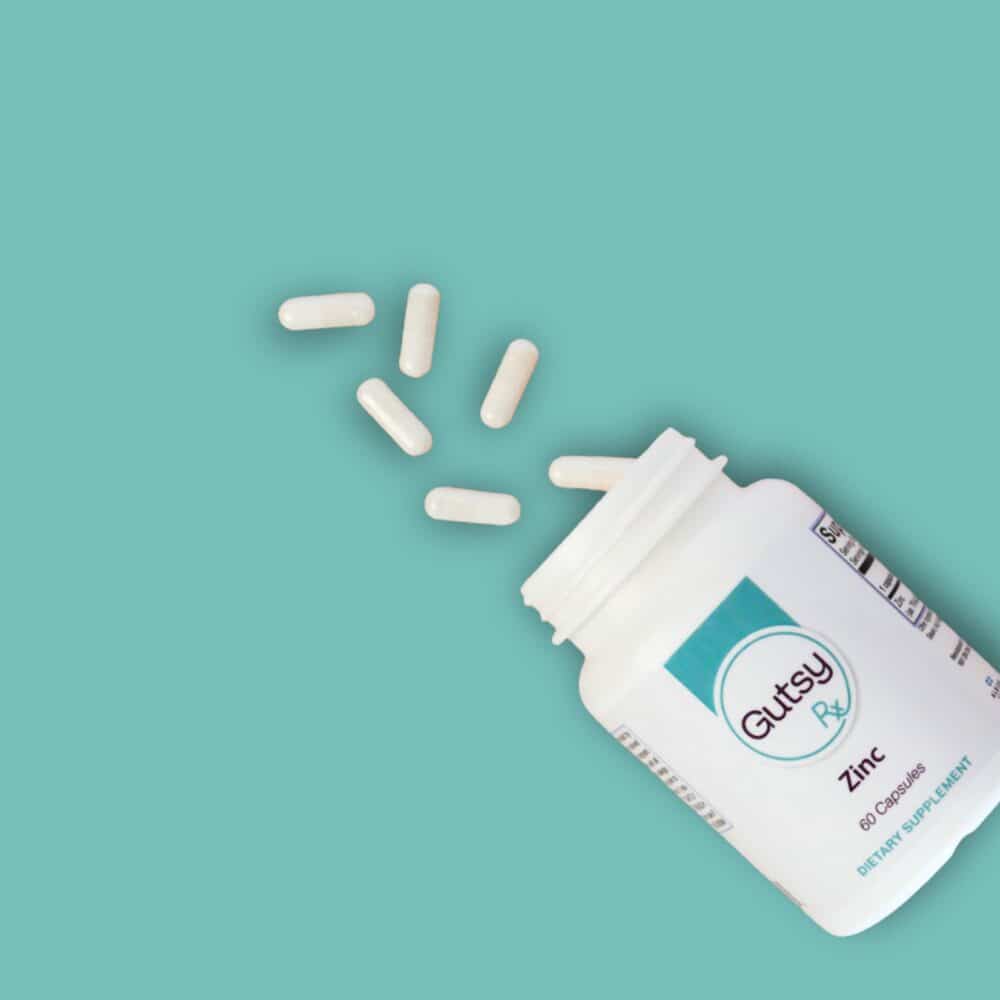
Zinc
Zinc Bisglycinate plays a vital role in promoting gut health by reinforcing the intestinal lining and supporting tight cell connections. Zinc helps restore gut lining and fluid balance—clinically shown to shorten diarrhea; it’s recommended by the WHO for acute diarrhea. A 60-day supply, delivered with GutsyRx love.
$28This zinc is particularly advantageous for women, helping address zinc depletion linked to inflammatory bowel conditions. Zinc Bisglycinate improves digestion and nutrient absorption by fostering a balanced gut environment. Embrace the journey to better health with Zinc Bisglycinate—your essential ally for a strong and resilient gut! This is a 60-day supply.
